
We may earn money or products from the companies mentioned in this post.
Hard water is a common household problem caused primarily by dissolved calcium and magnesium. While hard water is generally not considered a health hazard, those minerals can create scale on fixtures, leave spots on dishes, interfere with soap performance, and contribute to mineral buildup inside water-using appliances.
Choosing the right water filter for hard water can be confusing because filtration, water softening, and scale conditioning are often treated as though they are the same thing. They aren’t. A traditional water filter may improve drinking-water quality, while a water softener actually removes hardness minerals. Other systems condition those minerals to help control scale.
This guide explains the differences so you can choose the right solution based on whether your priority is reducing hardness, controlling scale, improving drinking water, or accomplishing a combination of those goals.
Understanding Hard Water and Its Effects
Hard water contains elevated concentrations of dissolved calcium and magnesium. Hardness is commonly reported in milligrams per liter (mg/L) or parts per million (ppm) as calcium carbonate, although grains per gallon (GPG) is also frequently used when sizing residential water softeners.
According to the U.S. Geological Survey classification, water containing 0–60 mg/L as calcium carbonate is considered soft, 61–120 mg/L moderately hard, 121–180 mg/L hard, and more than 180 mg/L very hard.
The more hardness minerals your water contains, the more noticeable some household effects can become.
Scale Buildup
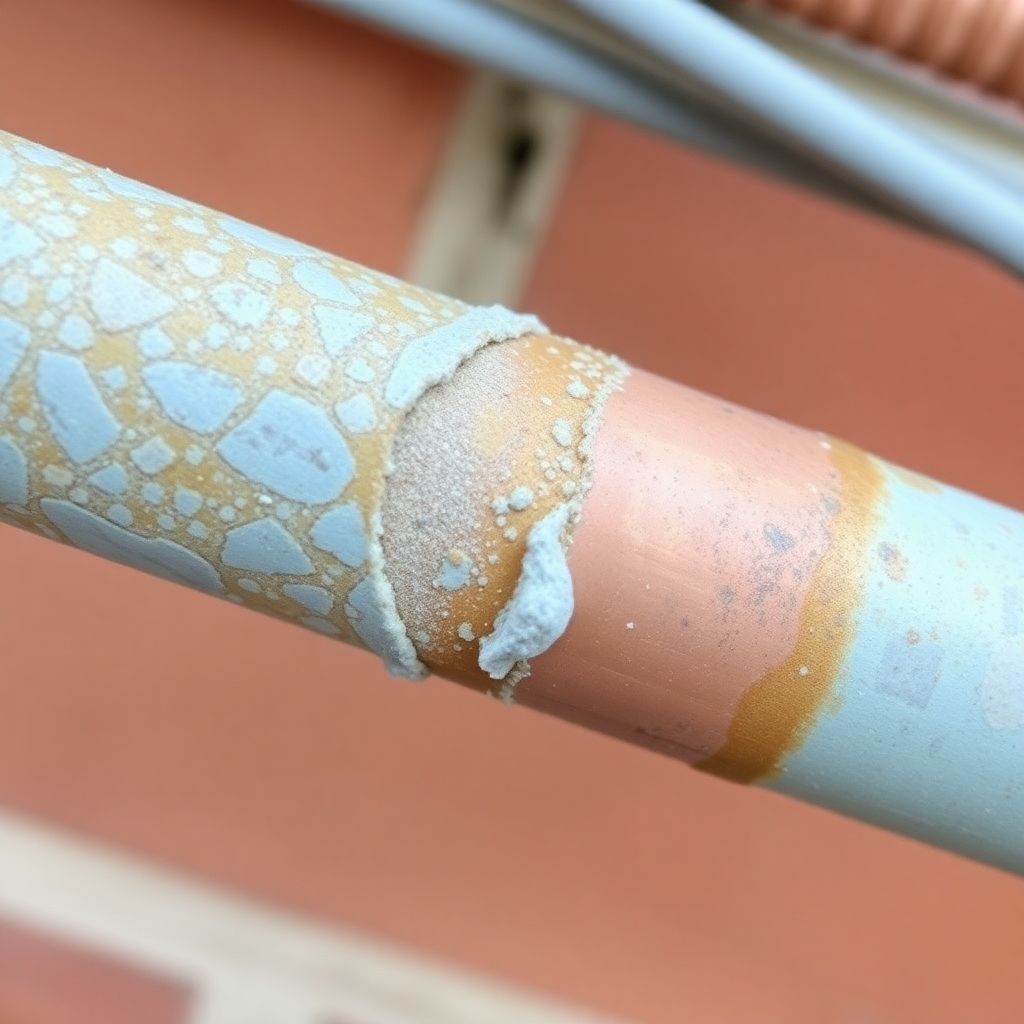
One of the most visible signs of hard water is mineral scale. Deposits may appear around faucets, showerheads, sinks, and other surfaces where water regularly evaporates.
Scale can also accumulate inside certain water-using appliances and plumbing components. Water heaters are particularly important because heating hard water encourages calcium carbonate precipitation and scale formation.
Soap, Dishes, and Cleaning
Calcium and magnesium can react with soap and make it more difficult to produce lather. This can contribute to soap residue, spots on glassware, and additional cleaning around sinks and showers.
Hair and Skin
Some people notice that washing with hard water leaves their hair or skin feeling different because minerals and soap residue can remain after rinsing. However, hard water itself is not generally treated as a drinking-water health hazard simply because it contains calcium and magnesium.
For a deeper look at common household effects, see our guide to how hard water affects your home.
Do You Need a Water Filter or a Water Softener?
This is the most important distinction to understand before buying anything.
A conventional water filter is generally designed to reduce particular contaminants, particles, tastes, or odors. A water softener is specifically designed to address hardness by reducing calcium and magnesium through ion exchange.
A water conditioner or descaler may attempt to change how hardness minerals behave so they are less likely to form scale, but it generally does not remove those minerals from the water.
Therefore, the best solution depends on the actual problem you’re trying to solve.
Types of Water Treatment for Hard Water
1. Ion-Exchange Water Softeners
Traditional salt-based water softeners are the most established option when the primary goal is actually reducing water hardness.
During ion exchange, hardness ions such as calcium and magnesium are exchanged for sodium or potassium ions. The result is softened water that produces less hardness-related scale and behaves differently with soaps and detergents.
These systems require periodic regeneration and replenishment of salt or potassium chloride. They also add some sodium or potassium to the treated water, with the amount depending in part on the original hardness level.
For households where sodium intake is a specific concern, a separate unsoftened drinking-water tap or point-of-use treatment system may be worth discussing with an appropriate professional.
Best for: Homes where actually reducing water hardness and scale throughout the house is the main objective.
2. Reverse Osmosis Systems
Reverse osmosis works differently. An RO system forces water through a semipermeable membrane capable of reducing many dissolved substances, including hardness minerals.
For that reason, RO can be useful when your priority is high-quality drinking and cooking water rather than treating every gallon entering the home.
However, very hard source water can contribute to membrane scaling, so pretreatment may be appropriate depending on the water chemistry and RO manufacturer’s requirements.
If you’re considering a traditional under-sink RO system, our APEC ROES-50 vs iSpring RCC7AK comparison explains the differences between two popular tank-style systems.
For a high-output tankless alternative, see our Waterdrop G3 P800 review.
Best for: Point-of-use drinking and cooking water where reducing dissolved substances is a priority.
3. Salt-Free Water Conditioners
Salt-free conditioners are often marketed as alternatives to traditional water softeners, but they should not be confused with ion-exchange softening.
Some systems use technologies such as template-assisted crystallization (TAC) intended to alter the form of hardness minerals and reduce their tendency to adhere to surfaces. The calcium and magnesium generally remain in the water.
That means a conditioner may help with scale management without producing conventionally softened water.
Best for: Households primarily interested in scale control without salt-based regeneration.
4. Electronic and Magnetic Descalers
Electronic and magnetic descalers are installed around or near the incoming water line and are marketed as low-maintenance approaches to scale management.
Unlike conventional softeners, they do not physically remove calcium and magnesium from the water. Performance claims and supporting evidence vary substantially between products, so these systems should be evaluated carefully rather than treated as direct replacements for ion-exchange softeners.
If you’re researching this category, our guide to magnetic and electronic descalers covers several available options.
Best for: Buyers specifically interested in low-maintenance scale-management technologies who understand that these devices do not conventionally soften water.
5. Whole-House Water Filtration
A whole-house water filter can address sediment, chlorine, taste, odor, or other specific water-quality concerns throughout the home, depending on the media and system design.
However, a standard whole-house carbon or sediment filter does not automatically solve hard water. If hardness is the problem, the system needs technology specifically designed for hardness reduction or scale control.
Learn more in our guide to the benefits of whole-house water filtration systems.
How to Choose the Best Water Filter for Hard Water
Step 1: Test Your Water
Start by determining how hard your water actually is. Municipal customers can check their water utility’s annual water-quality report, but an at-home hardness test or laboratory analysis can provide information specific to your tap.
If you use a private well, broader water testing can be especially valuable because hardness may not be your only water-quality concern.
Step 2: Identify the Problem You Want to Solve
Ask what is actually bothering you.
- Scale throughout the house may point toward a water softener or scale-control system.
- Drinking-water concerns may call for an under-sink filter or reverse osmosis system.
- Chlorine taste or odor may be better addressed with carbon filtration.
- Multiple problems may require more than one treatment technology.
If you’re still comparing filtration categories, our best water filters for home guide explains the major system types and where each fits.
Step 3: Decide Between Whole-House and Point-of-Use Treatment
A whole-house system treats water entering the home and makes sense when the problem affects plumbing, appliances, showers, and fixtures.
A point-of-use system treats water at a particular location—usually the kitchen sink—and can be more practical when your main concern is drinking and cooking water.
Step 4: Check Certifications and Performance Data
Look for third-party certifications and performance documentation relevant to what the product claims to do. NSF/ANSI standards cover different aspects of water-treatment equipment, so a generic statement that something is “NSF certified” is less useful than knowing the specific standard and reduction claim involved.
Step 5: Consider Capacity and Water Usage
Whole-house systems must be sized appropriately for household water demand and, for softeners, the hardness level and regeneration capacity.
Point-of-use systems should provide enough flow and capacity for your household’s drinking and cooking needs.
Step 6: Calculate Long-Term Cost
Don’t judge a system only by its purchase price. Consider replacement filters, salt or potassium, membrane replacement, wastewater where applicable, electricity requirements, professional installation, and routine maintenance.
Which Hard-Water Solution Is Right for You?
There isn’t one best system for every household.
- Choose a traditional water softener if your primary objective is reducing calcium and magnesium throughout the home.
- Consider a salt-free conditioner if scale management is more important than producing conventionally softened water.
- Consider reverse osmosis when your priority is highly treated drinking and cooking water at the kitchen sink.
- Consider whole-house filtration when you have additional concerns such as sediment or chlorine throughout the home—but remember that ordinary filtration alone does not necessarily reduce hardness.
Some households ultimately use a combination—for example, a whole-house softener for hardness and an under-sink filtration or RO system for drinking water.
Final Thoughts
Choosing the right water filter for hard water starts with understanding that hardness treatment and water filtration are not the same thing.
If calcium and magnesium are creating scale throughout your home, an ion-exchange water softener remains one of the most direct approaches to actually reducing hardness. If your goal is primarily drinking-water treatment, an under-sink filter or reverse osmosis system may make more sense. And if your main concern is scale without salt-based softening, a conditioner may be worth evaluating.
Test your water first, identify the specific problem you’re trying to solve, and then choose technology designed for that job. That approach is far more reliable than simply buying a product marketed as the “best” hard-water filter.